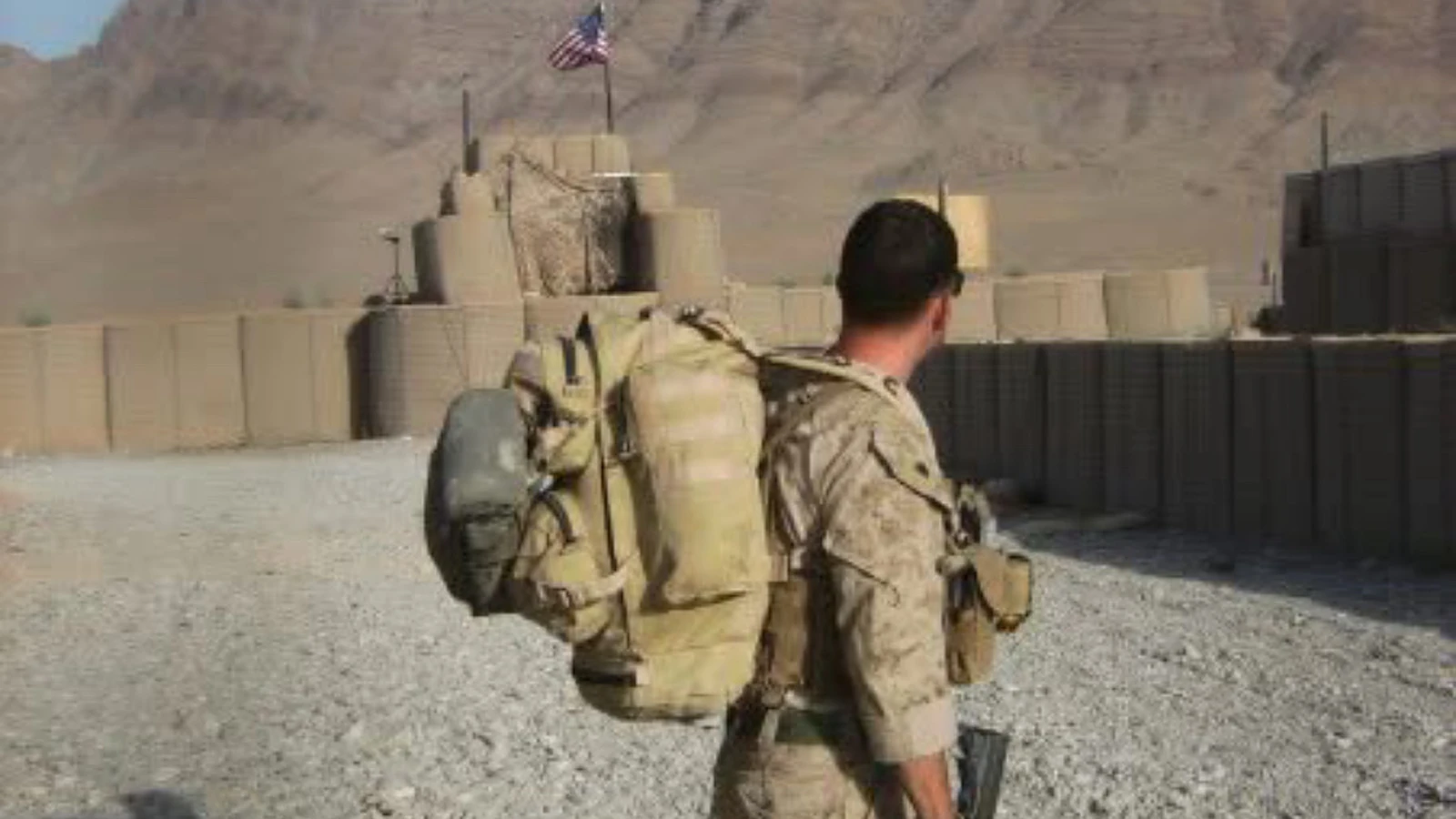
I got out of the Marine Corps and found out fast how much of my fitness had never actually been mine — it belonged to a schedule. Formation PT, a PT test on the calendar, guys to your left and right who’d notice if you slacked. Pull that structure away and a lot of squared-away veterans drift for the first time in their adult lives. That’s not a discipline problem. It’s a systems problem, and it has a fix.
Why fitness falls apart after you get out
Active duty built your training for you. Someone else picked the time, the standard, and the consequence for missing it. The day you separate, all three disappear at once — no mandated 0530 formation, no biannual test to peak for, no immediate peer group holding the line. Add a new job, a move, maybe a family, and workouts quietly slide down the priority list.
On top of that, a lot of veterans are training around something the military gave them: a bad knee, a fused disc, a shoulder that never got fixed because there was a deployment to make. Civilian gyms and generic programs rarely account for that. The result is guys who were in elite shape at 25 carrying 30+ extra pounds by 35, not from a lack of willpower, but because nobody rebuilt the structure that used to carry them.
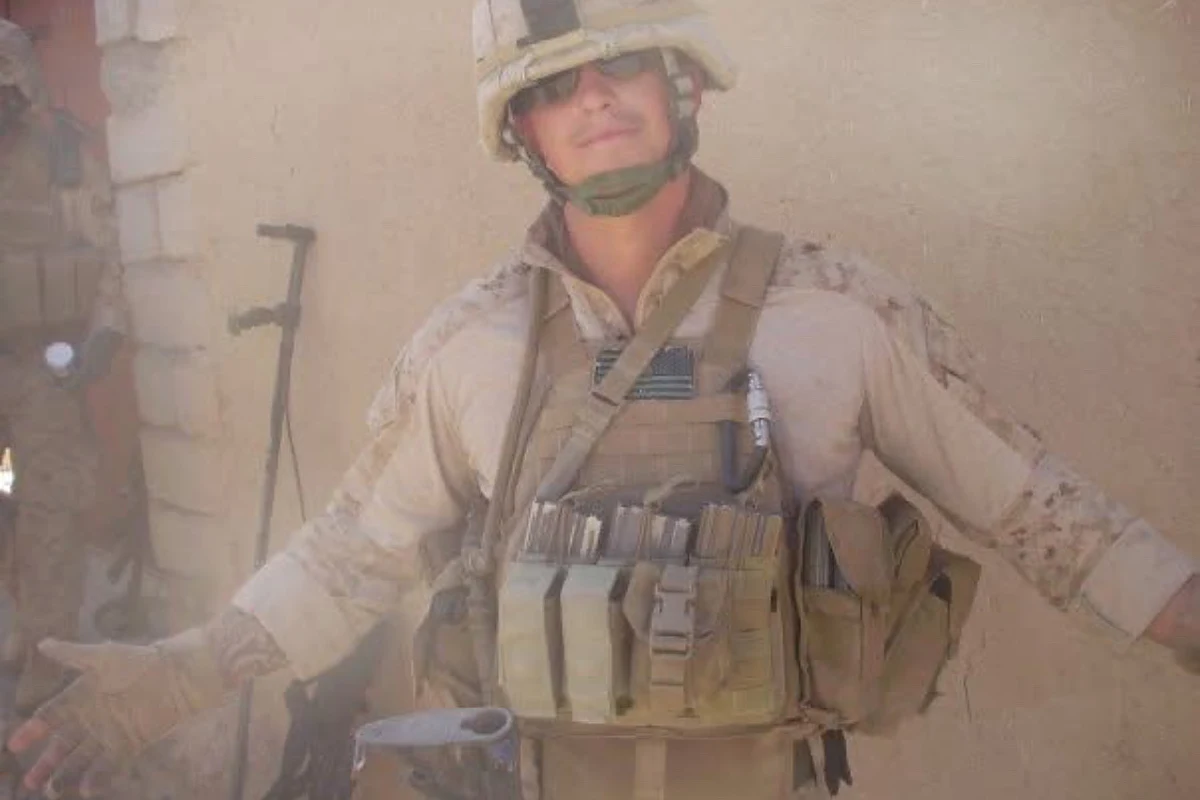
The replacement structure
1. Put PT back on a calendar, not on willpower
You didn’t rely on motivation in the Corps, the Fleet, or the field — you relied on a schedule. Do the same thing now. Block 4 training days on your actual calendar like they’re appointments, same time each week. A plan you never have to “decide” to start is a plan you’ll actually run.
2. Train for a standard again
Most veterans do best with a concrete target, not vague “get in shape” goals. Pick one: rebuild your old PT test score, hit a bodyweight bench or deadlift number, or get back to a fighting weight you can name. A number on the calendar recreates the pressure that used to come from your command.
3. Lift heavy, 3–4 days a week
Strength training is the highest-return work you can do post-service — it rebuilds the muscle that road marches and inconsistent chow started stripping away, and it protects the joints you’ve already got miles on. Prioritize compound lifts (squat, deadlift, press, row, carry) and progress them week over week. Save the rucking and conditioning work for separate days so it doesn’t wreck your lifts.
4. Build around your service injuries, not through them
A bad back or knee doesn’t mean you stop training — it means you stop training stupid. Swap barbell back squats for a belt squat or leg press if your spine is barking. Trade running for the bike or rucking on soft ground if your knees are done with pavement. Working around an injury with smart exercise selection keeps you training for years instead of re-injuring and starting over every few months.
5. Rebuild your chow discipline without a DFAC
The dining facility controlled your intake whether you noticed or not. Out here, nobody’s portioning your plate, and civilian life runs on convenience food. Get protein at every meal, keep a rough calorie target, and meal-prep in bulk one day a week so decision fatigue doesn’t sink you by Wednesday.
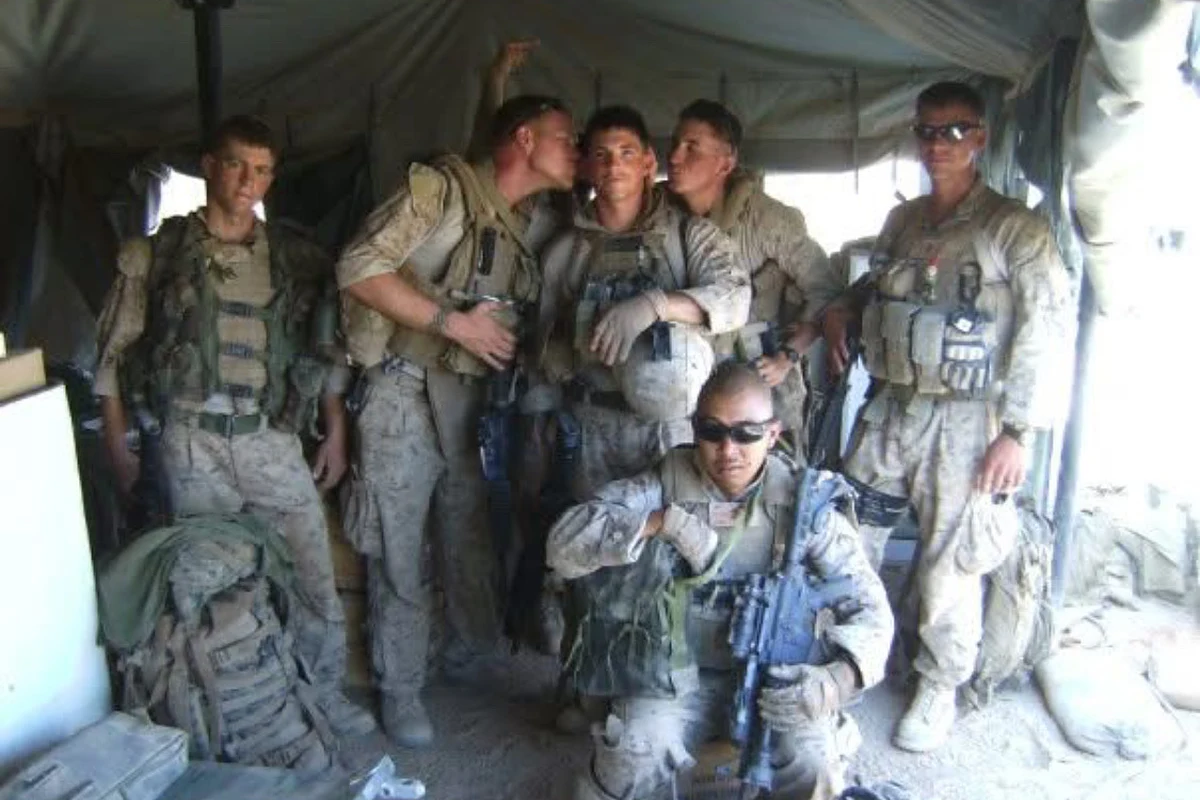
Replace your unit with a new accountability layer
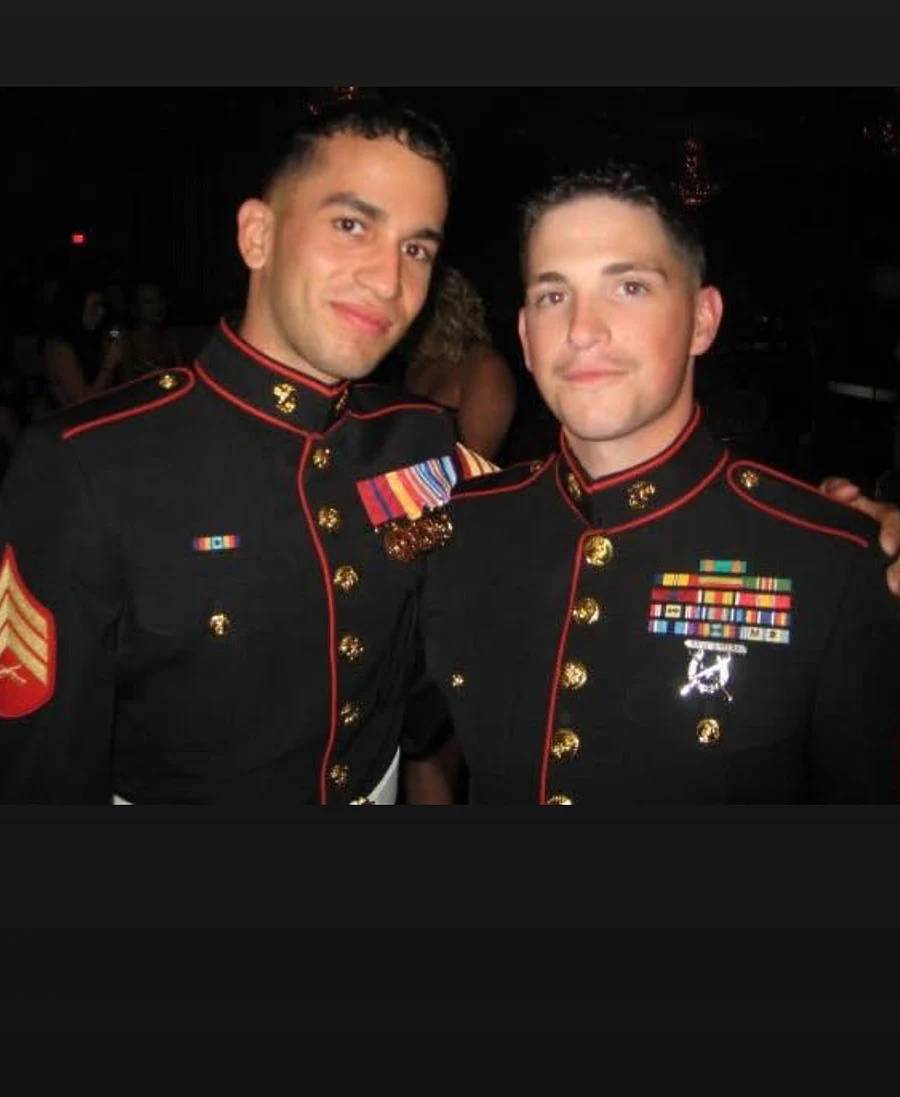
- Find your people. A training partner, a veteran-run gym, or a coach who checks in weekly replaces the peer pressure your unit used to provide for free.
- Log it. Write down every lift and every workout. Progress you can see on paper is progress you’ll keep chasing.
- Set a re-test date. Whatever standard you picked, put a date on it 8–12 weeks out. Deadlines still work on you — they always did.
- Don’t train alone in silence for a year. Isolation is where most post-service fitness routines quietly die. A little outside accountability fixes that fast.
A simple week to start
Four strength sessions (upper/lower split or full body, your call), one dedicated conditioning session — ruck, row, bike, whatever’s easy on your joints — protein at every meal, and a fixed re-test date on the calendar. Run that for a month before adding anything else. It’s the same principle that got you through boot camp or basic: simple, repeatable, and consistent beats clever.
The bottom line
You didn’t lose your discipline when you took the uniform off — you lost the structure that used to carry it. Rebuild that structure on purpose: a scheduled plan, a standard to chase, heavy strength work you train around your injuries instead of through them, and people who’ll notice if you don’t show up. Do that consistently and you can get back to, or past, the shape you left in.
Want this built for you, around your schedule and your body? That’s exactly what my coaching built for veterans and prior military is — a custom plan with weekly check-ins by call or video. See real client results or explore coaching.
This article is general fitness education, not medical advice. Consult your physician before starting any new exercise or nutrition program.
FAQ
Why is it so hard to stay fit after leaving the military?
Active duty provided built-in structure — a scheduled PT time, a mandated test, and peers who noticed if you skipped. Once that disappears after separation, most veterans have to rebuild the systems that used to be provided for them, which is a different skill than staying fit was on active duty.
What’s the best workout routine for veterans after separation?
A 3–4 day-a-week strength program built around your current injuries, plus one to two conditioning sessions (ruck, bike, or row are easier on joints than running), works for most veterans. Training toward a concrete standard, like a PT test score, keeps it focused.
How do I train with old military injuries?
Work around the injury with smart exercise substitutions instead of pushing through pain — belt squats or leg press for a bad back, biking or rucking on soft ground for bad knees, for example. A coach or physical therapist can help you map substitutions specific to your injury.
Should veterans hire a coach or train alone?
Either can work, but a coach or structured accountability replaces the peer pressure and oversight your unit used to provide for free — which is often exactly what disappears after separation and causes routines to fall apart. If you’ve tried training alone and it hasn’t stuck, outside accountability is usually the missing piece.
Free tools: 1RM calculator · macro calculator · body-fat calculator
■ Free — no card, no catch
Want A Head Start?
Grab the free 5-Day Workout & Meal Plan Sampler — five real training days, a full meal plan, and a grocery list. The same style of programming my clients run.
Get The Free Guide